The Golden Mean Book: How a Visionary Work Redefined Literary Art
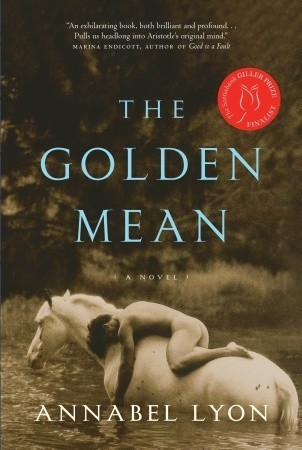
In the vast landscape of literature, certain books don't just tell a story; they reshape the very definition of what a book can be. Among these groundbreaking works, Nick Bantock's *The Golden Mean: In Which the Extraordinary Correspondence of Griffin & Sabine Concludes* stands as a monumental achievement. While the term "The Golden Mean" might occasionally refer to other notable titles – such as an award-winning historical novel featuring Aristotle – this article focuses exclusively on the groundbreaking third installment of Bantock's original *Griffin & Sabine* trilogy, a book that truly redefined literary art through its innovative format, captivating narrative, and profound artistic vision. The
The Golden Mean: Nick Bantock's Interactive Bestseller isn't merely a conclusion to an epic romantic mystery; it's a masterclass in experiential storytelling.
Published in 1993 by Chronicle Books, *The Golden Mean Book* brought to a compelling close the initial saga that began with *Griffin & Sabine* (1991) and continued with *Sabine's Notebook* (1992). It didn't just conclude a story; it solidified a new genre, captivating millions and proving that the boundaries of publishing were ripe for re-imagination.
Beyond Pages: The Revolutionary Format of The Golden Mean Book
What immediately set *The Golden Mean Book* apart, alongside its predecessors, was its audacious and immersive format. Far from a conventional novel, it invited readers into an intimate, tactile experience akin to uncovering a secret cache of personal correspondence. Bantock's distinctive genius lay in merging prose and visual art seamlessly, creating a hybrid form that was both a literary journey and an art exhibition.
Imagine opening a book and finding actual envelopes tucked within its pages. Inside these envelopes, readers discover removable postcards and handwritten letters, each a piece of the unfolding narrative between the enigmatic artists Griffin Moss and Sabine Strohem. This ingenious design choice was more than a gimmick; it was the very essence of the story, transforming the reader from a passive observer into an active participant.
*
The Thrill of Discovery: The act of physically extracting a letter or postcard evokes the "intimate thrill of reading someone else’s private mail," as described by critics. This direct engagement fosters a deeper connection to the characters and their escalating mystery.
*
Visual Storytelling: Interwoven with the textual correspondence are Bantock’s original, evocative paintings. These aren't mere illustrations; they are integral to the narrative, conveying emotions, settings, and symbolic meanings that words alone could not capture. This fusion elevates the reading experience, appealing simultaneously to poetic sensibilities and artistic appreciation.
*
A New Genre: By eschewing traditional binding for an interactive, multi-sensory approach, *The Golden Mean Book* (and the trilogy as a whole) single-handedly created a new genre in publishing. It blurred the lines between book, art object, and interactive game, proving that the physical form of a book could be as expressive as its content.
This innovative format was a key factor in the series becoming a word-of-mouth phenomenon, topping bestseller lists and spending over 100 weeks on the New York Times bestseller list for the first three volumes.
An Alchemical Journey: Themes and Mysteries Within The Golden Mean Book
At its heart, *The Golden Mean Book* is a romantic and alchemical narrative, exploring the deepening mystery of Griffin and Sabine's telepathic bond. As their extraordinary correspondence reaches its climax, urgent questions mount, and new obstacles — including a sinister intruder — challenge their passionate pursuit of union. The narrative is rich with symbolism and psychological depth, inviting readers to delve into layers of meaning.
Bantock masterfully explores profound themes of balance and duality:
*
Love and Fear: The driving forces behind human connection and hesitation are constantly at play, as Griffin and Sabine navigate their intense attraction amidst palpable dangers.
*
Male and Female: Their individual perspectives and artistic expressions represent a compelling dialogue between masculine and feminine principles, hinting at a quest for wholeness.
*
Body and Mind: The telepathic connection transcends physical distance, raising questions about the nature of reality and consciousness.
*
Word and Image: Reflecting the book’s own format, the story often contemplates how these two modes of expression intersect and diverge, and their power in shaping perception.
The story incorporates fascinating allusions to Jungian psychology, mythical ceremonies, and the arcane wisdom of the Tarot. This rich tapestry of references lends an almost mystical quality to the lovers' quest, as their connection grows increasingly murky, prompting a search for neutral ground amid suggestions of parallel realities and external threats. For a deeper dive into these symbolic layers, explore
Decoding The Golden Mean: Alchemical Art, Love, and Mystery. It's this intricate blend of romance, mystery, and profound symbolism, delivered through an unparalleled format, that cemented *The Golden Mean Book* as a unique entry in literary history.
Nick Bantock's Legacy: The Artist Behind The Golden Mean Book Phenomenon
The genius of *The Golden Mean Book* is inextricably linked to its creator, Nick Bantock. An artist with a BA in Fine Art (painting) schooled in England, Bantock’s multidisciplinary background profoundly shaped the series. His career spans an impressive array of artistic expressions, including paintings, drawings, sculptures, collages, and prints, exhibited across the UK, France, and North America.
Bantock’s artistic versatility is evident in every page of *The Golden Mean Book*. His ability to craft compelling visuals, develop intricate designs, and weave them into a coherent narrative is a testament to his unique skill set. Before the *Griffin & Sabine* series, he had already produced artwork for over 300 book covers, including titles by literary giants like Philip Roth and John Updike, and designed theater posters for London productions by esteemed playwrights such as Tom Stoppard. This extensive experience honed his ability to communicate complex ideas and emotions through visual mediums, which he then deployed to stunning effect in his own work.
The commercial success of the *Griffin & Sabine* series, including *The Golden Mean Book*, was staggering. With over 5 million copies sold worldwide and translations into 13 languages, it became a global bestseller. The first book alone remained on The New York Times bestseller list for over two years, a rare feat. Bantock's pioneering fusion of literary and visual elements garnered widespread praise for its "bewitching visual sorcery" and "fantastical storytelling," appealing equally to both poetic and artistic sensibilities. His later work, including the BAFTA award-winning CD-ROM *Ceremony of Innocence* (developed with Peter Gabriel’s Real World), further showcased his commitment to pushing creative boundaries across different media.
The Enduring Appeal and Impact on Literary Art
Why did *The Golden Mean Book*, and indeed the entire *Griffin & Sabine* trilogy, resonate so deeply with millions? Its enduring appeal lies in its courageous originality and its invitation to participate in a truly unique reading experience. It’s a book that demands interaction, rewarding curiosity with a deeply personal and visually stunning narrative.
The series demonstrated that books could be more than just text on a page. They could be objects of art, interactive puzzles, and vessels for profound sensory engagement. This had a lasting impact on publishing, encouraging other creators and publishers to explore multimedia storytelling and innovative book design. It opened doors for works that transcended traditional categorization, influencing everything from graphic novels to interactive digital narratives.
For readers approaching *The Golden Mean Book* today, here are a few tips to enhance the experience:
*
Take Your Time: Don't rush through the pages. Savor each letter, each postcard, and each painting. The experience is meant to be leisurely and contemplative.
*
Engage Physically: Embrace the tactile nature of the book. Carefully remove the letters from their envelopes, unfold them, and immerse yourself in the private world of Griffin and Sabine.
*
Allow for Mystery: The narrative doesn't always provide clear-cut answers. Part of the charm is the ambiguity and the invitation to ponder the deeper, symbolic meanings.
*
Re-read: Like all great art, the layers of *The Golden Mean Book* reveal themselves more fully with subsequent readings. You’ll notice new details in the art or nuances in the text.
In essence, *The Golden Mean Book* didn't just conclude a captivating story; it cemented Nick Bantock's legacy as a visionary artist who dared to challenge the conventions of storytelling. It stands as a testament to the power of imagination, demonstrating how a book can be transformed from a mere vessel of words into a dynamic, interactive work of art that continues to enchant and inspire.
In conclusion, *The Golden Mean Book* remains a beacon of innovation in the literary world. Nick Bantock’s brilliant fusion of intimate narrative, stunning visual art, and groundbreaking interactive design didn't just earn it bestseller status; it genuinely redefined the possibilities of literary art. It showed that a book could be an experience, a journey, and an object of profound beauty, leaving an indelible mark on readers and the publishing industry alike.